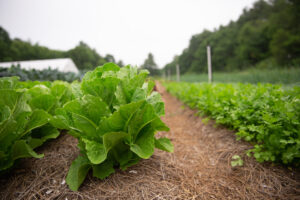
Certified Organic Products
What is organic certification?
Organic certification confirms that a farm or processing facility obeys United States Department of Agriculture (USDA) organic regulations, which require operations to use practices that cycle resources, conserve biodiversity, and preserve ecological balance.
These regulations set specific requirements for how specific agricultural products can be produced. The following list provides an overview of those requirements for different types of organic products.
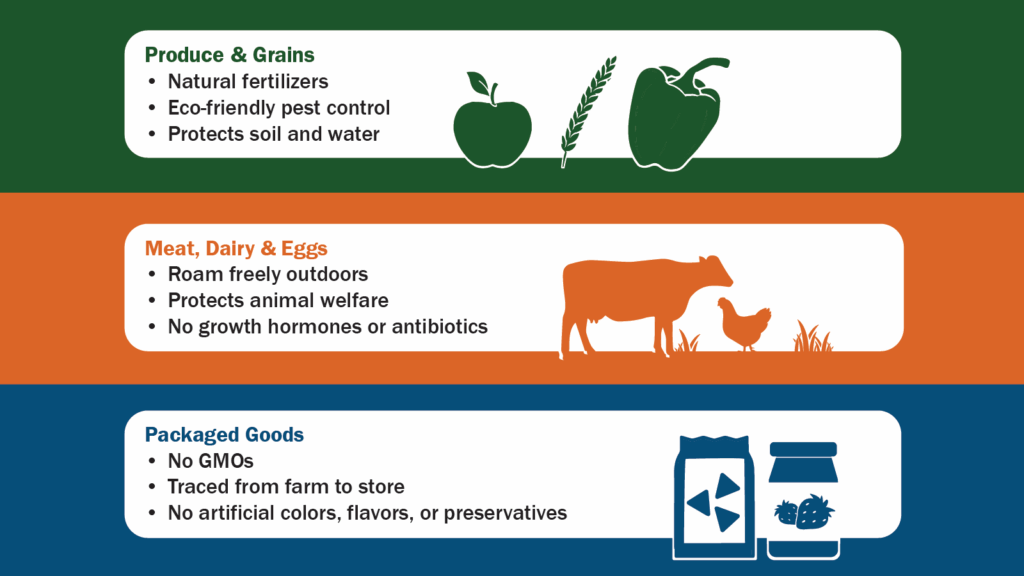
Before farmers can harvest organic products, they must discontinue the application of prohibited fertilizers and pesticides. Farmers must then adhere to organic growing practices for the next three years before they can officially certify and label their products as USDA organic.
Trained inspectors visit organic farms and businesses annually to ensure that organic practices are maintained during the growing, harvesting, processing, and packaging stages of agricultural production.
Farms and businesses must also keep detailed production records to verify products as organic, and increase transparency while products travel from farm fields to store shelves.
Why is the organic label important?
The USDA organic label can only appear on food products produced in accordance with USDA organic standards. These standards clarify what practices and inputs can and cannot be used in organic production and processing.
When you see the USDA organic seal, you know you’re choosing a product that supports a healthier planet and more transparent food system.
Finding CT Grown Certified Organic Products
Browse our interactive map to see the variety of USDA certified organic products grown and harvested in CT, and find a farmstand, farmers’ market, or other local retailer selling CT Grown USDA certified organic products near you.
CT is home to a thriving community of growers committed to sustainable practices, soil health, and producing fresh, nutrient-rich food for you and your family.
By choosing CT Grown USDA-certified organic, you are supporting local farms and ensuring your food is grown with accountability, national standards, and environmental impacts in mind.
CT Grown Certified Organic Branding
In addition to the USDA organic seal, the CT Department of Agriculture collaborated on developing a CT Grown certified organic logo in 2025. The purpose of this logo is for certified organic farmers operating in the State of Connecticut to use it to enhance their product packaging, websites, and social media, increasing consumer awareness and knowledge of CT Grown organic products. CT farms wishing to utilize the CT Grown certified organic logo MUST be certified organic in order to do so. If you are certified organic and would like to receive the logo files, submit this form. Once the form is completed, a folder containing the logo files will be emailed within 2-3 business days.
If you are interested in using the CT Grown certified organic logo, please refer to the Brand Guide for tips on incorporating it into packaging labels while maintaining compliance with accredited organic certifying agents and the USDA.
It is also recommended that farmers enlist the support of UConn Extension’s Organic Outreach Specialist for the successful integration of this logo on packaging materials and social media posts. Click here to sign up for a free consultation with Dave.
Organic Farmer Spotlight: Meet the Farmers
-
Meet the Farmers: Deep Hollow Farm in Chester
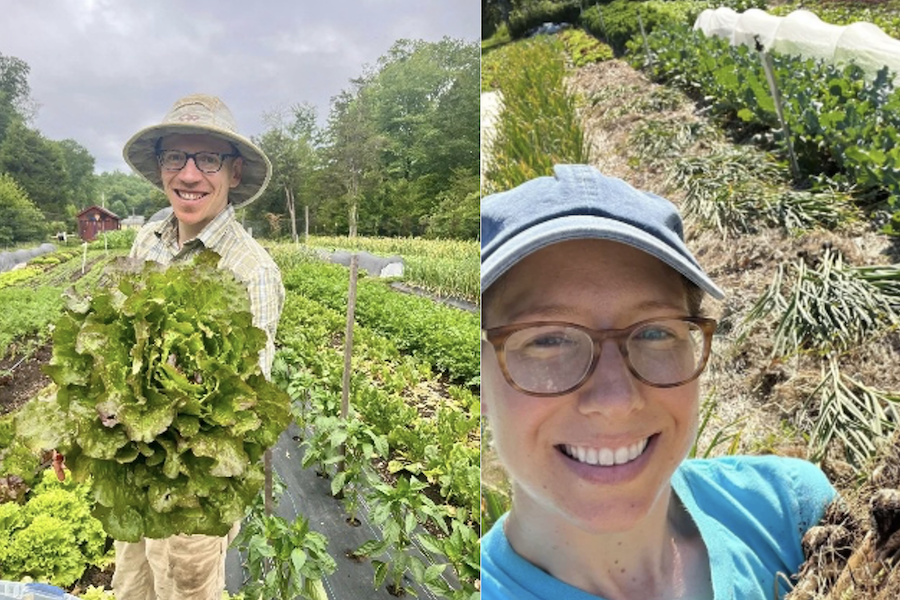
Deep Hollow Farm has been producing a wide variety of certified organic products since its founding by Andrew and Christine in 2023.
-
Meet the Farmers: Russo’s Roots in Canterbury
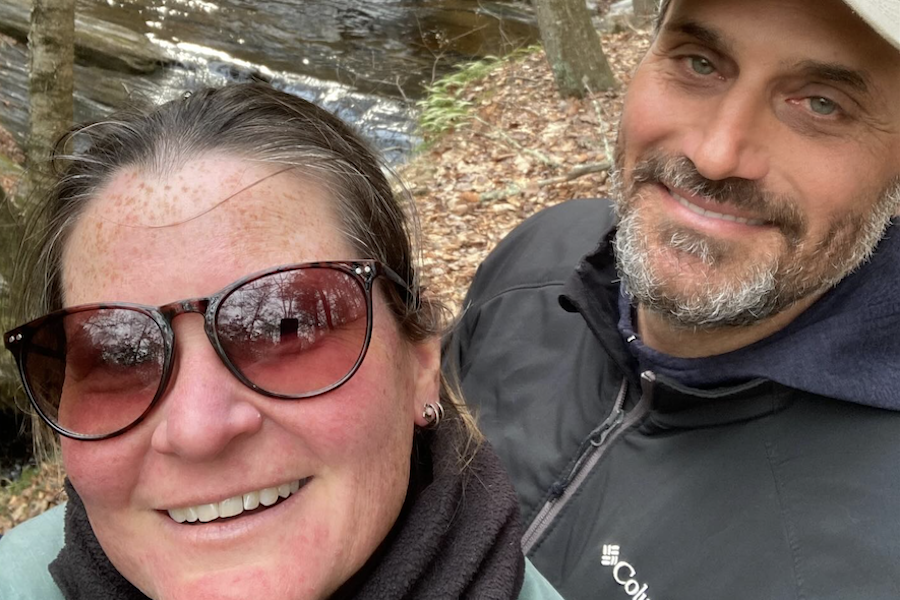
James and Libby purchased the farm that is now Russo’s Roots in 2014. The farm is nestled on 26 acres in the hills of eastern Connecticut.
-
Meet the Farmers: Hilltop Farm in Redding
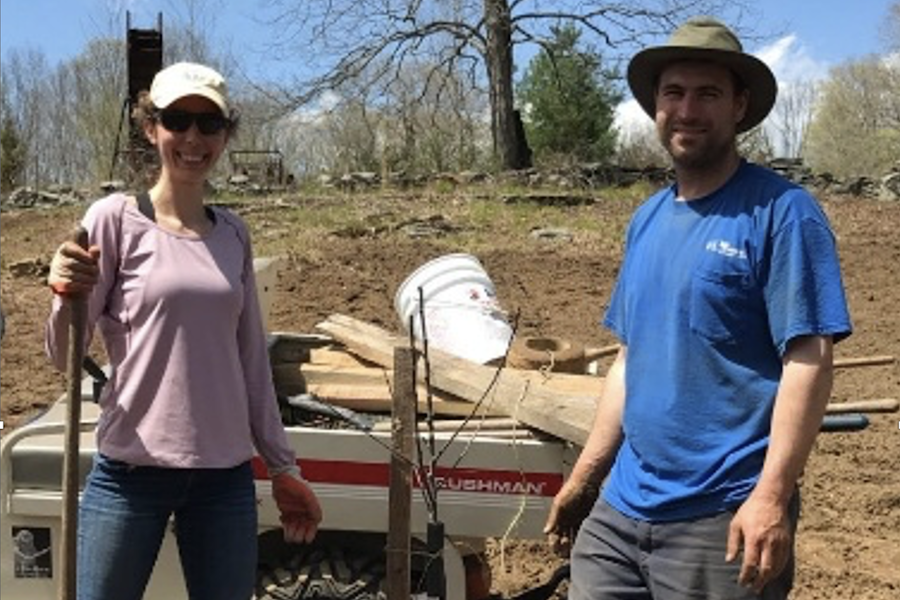
Mike and Michelle have owned and operated Hilltop Farm since 2020. Their orchard offers apples, peaches, pears, and apricots.
-
Meet the Farmers: Norfolk’s Autumn Harvest Orchard
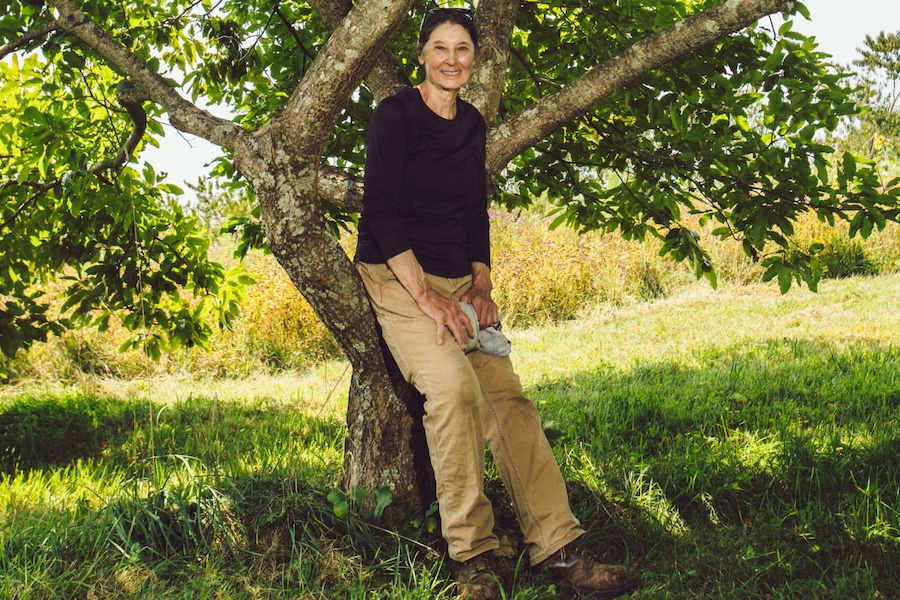
Upon retirement, Joanne made her childhood visions a reality by purchasing the land that is now called Autumn Harvest Orchard in 2000.
-
Meet the Farmers: Assawaga Farm in Putnam
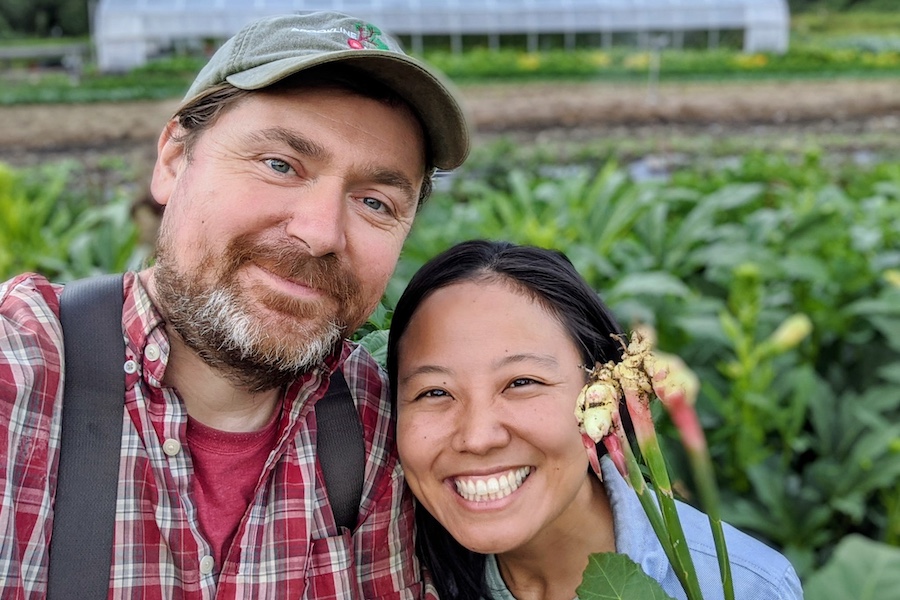
Today, Assawaga Farm is a certified organic farm growing vegetables, herbs, flowers, and fruits with an emphasis on Japanese varieties.
Funding was made possible by the U.S. Department of Agriculture (USDA) Agricultural Marketing Service, Organic Market Development Grant, awarded and administered by the CT Department of Agriculture. Its contents are solely the responsibility of the authors and do not necessarily represent the official views of the USDA.